 الإنجليزية
 صمم موقعك الأن!
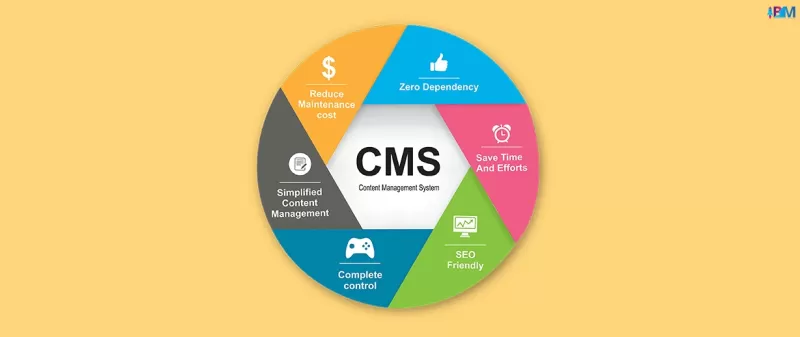
In today's digital age, businesses and individuals alike seek effective ways to manage and present their online content. One of the most popular and efficient tools for this purpose is a Content Management System (CMS). But what are the benefits of using a content management system? This question is central to understanding why CMS platforms have become indispensable in web development and online content management.
When pondering, "What are the benefits of using a content management system?" the user-friendly interface is often the first advantage that comes to mind. Unlike traditional website management, which may require knowledge of HTML, CSS, or other coding languages, CMS platforms are designed to be intuitive and accessible to users of all skill levels. This means that even individuals with little to no technical background can easily create, edit, and manage their content.
Another significant benefit of using a content management system is the ease of content updates. With a CMS, you can quickly and effortlessly update your website's content, whether it’s text, images, or multimedia. This is especially important for businesses that need to keep their websites current with the latest information, promotions, or news. The ability to make real-time updates without needing to contact a web developer saves both time and money.
For those wondering, "What are the benefits of using a content management system in terms of SEO?" the answer is clear. CMS platforms often come with built-in SEO tools or plugins that help optimize your website for search engines. This includes features like customizable meta tags, URL structures, and image alt texts, which are all critical components of SEO. A well-optimized website is more likely to rank higher in search engine results, driving more organic traffic to your site.
Content management systems are designed to support multi-user access, allowing different team members to work on various aspects of the website simultaneously. For example, a marketer can work on content creation while a developer focuses on the technical aspects of the site. This collaborative environment enhances productivity and ensures that content management is a seamless process.
As your business grows, so will your website. One of the key benefits of using a content management system is its scalability. CMS platforms are designed to handle a growing amount of content and traffic. Whether you’re expanding your product line, adding new services, or attracting more visitors, a CMS can scale with your needs, ensuring that your website remains responsive and efficient.
When considering "What are the benefits of using a content management system?" the ability to customize your website's design is a major advantage. CMS platforms often provide a variety of themes and templates that can be tailored to fit your brand's identity. This means that even without a deep understanding of web design, you can create a professional-looking website that reflects your company's personality and values.
In today's online environment, security is a top concern for any website owner. CMS platforms are equipped with robust security features to protect your site from cyber threats. Regular updates, security plugins, and built-in firewalls are just some of the measures that CMS platforms use to safeguard your data. This peace of mind is invaluable, especially for businesses that handle sensitive customer information.
For businesses of all sizes, cost is always a consideration. One of the benefits of using a content management system is that it can be a cost-effective solution for website management. Many CMS platforms offer free versions or affordable plans that provide all the essential tools needed to build and maintain a professional website. Even for those who opt for premium features, the investment is often far less than the cost of hiring a full-time web developer.
What are the benefits of using a content management system in terms of integration? CMS platforms are known for their ability to integrate with various third-party tools and applications. Whether you need to add e-commerce functionality, integrate social media platforms, or connect with customer relationship management (CRM) systems, a CMS can seamlessly incorporate these features into your website. This flexibility makes it easier to manage all aspects of your online presence from a single platform.
Another benefit of using a content management system is the ability to schedule content in advance. This is particularly useful for businesses that plan their marketing campaigns ahead of time. With a CMS, you can prepare your content and set it to be published at a specific date and time, ensuring that your website is always up-to-date with fresh content.
Understanding how your website is performing is crucial for making informed decisions. CMS platforms often come with built-in analytics and reporting tools that provide insights into visitor behavior, page views, and other key metrics. This data is essential for optimizing your website's content and structure to better meet the needs of your audience.
When using a content management system, you retain full ownership and control over your content. Unlike social media platforms or third-party websites where you may have limited control, a CMS gives you the autonomy to manage your content as you see fit. This is a significant benefit for businesses that want to maintain a strong brand presence and ensure that their content is aligned with their overall marketing strategy.
In today's mobile-first world, having a website that is responsive on all devices is crucial. CMS platforms are designed with mobile responsiveness in mind, ensuring that your website looks and functions well on smartphones, tablets, and desktops. This not only improves the user experience but also positively impacts your website's search engine rankings.
One of the ongoing benefits of using a content management system is the regular updates and support provided by the CMS community or developers. These updates often include new features, security patches, and improvements that keep your website running smoothly. Additionally, if you encounter any issues, most CMS platforms offer support forums, documentation, or customer service to assist you.
A CMS enhances workflow and collaboration among team members. With features like content approval processes, version control, and user roles, a CMS ensures that the content creation and management process is streamlined and efficient. This is especially beneficial for larger organizations where multiple people are involved in managing the website.
So, what are the benefits of using a content management system? From user-friendly interfaces and SEO optimization to scalability and security, the advantages are numerous and impactful. A CMS is not just a tool for managing content; it's a comprehensive solution that empowers businesses and individuals to build, maintain, and grow their online presence effectively.
If you're looking to harness the power of a CMS for your website, consider partnering with Sympaweb, a leading web design company in Jordan. With extensive experience in creating custom websites using the best CMS platforms, Sympaweb can help you achieve your online goals with a professional and tailored approach.