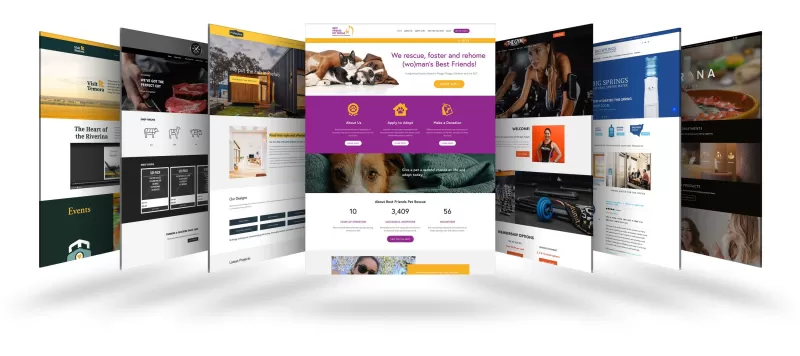
Web development for small business should focus on what brings customers: a fast, mobile-friendly site that explains your services, shows proof such as reviews, and makes it easy to call, message on WhatsApp or buy. Start with a solid CMS like WordPress, add local SEO and analytics, and grow features as revenue grows. Below are the key features and how to make the most of your site.
In today’s digital era, having a strong online presence is crucial for businesses of all sizes, especially for small businesses that are competing in a crowded marketplace. Web development for small business is not just about creating a basic website; it's about building a platform that effectively represents your brand, engages your audience, and drives growth. In this article, we will delve deep into the significance of web development for small businesses, the essential features of a successful website, and how small businesses can leverage web development to compete with larger companies.
Why Web Development is Essential for Small Businesses
Small businesses often face challenges such as limited budgets, fierce competition, and the need to stand out in a saturated market. Web development for small business provides a solution to these challenges by offering a cost-effective way to reach a broader audience, establish credibility, and create opportunities for growth.
- Expanding Reach: A well-developed website allows small businesses to reach customers beyond their local area. With the internet, your business can reach potential customers across the globe, 24/7. This expansion of reach is particularly beneficial for businesses that want to tap into new markets or explore e-commerce opportunities.
- Building Credibility: In the digital age, a business without a website can appear less credible. A professional and functional website builds trust with potential customers, showing them that your business is legitimate and capable of meeting their needs. Web development for small business ensures that your online presence is professional, which is vital for establishing and maintaining credibility.
- Cost-Effective Marketing: Traditional marketing methods like print ads and direct mail can be expensive and often have limited reach. In contrast, a website serves as a low-cost marketing tool that can be optimized for search engines, integrated with social media, and used for content marketing. This makes web development a highly cost-effective way for small businesses to market their products or services.
- Customer Engagement: A website provides a platform for ongoing communication with your customers. Through blogs, newsletters, and social media integration, you can keep your audience informed and engaged. Web development for small business focuses on creating interactive features that encourage customer interaction, leading to stronger relationships and increased customer loyalty.
- Data Collection and Analysis: Websites allow businesses to collect valuable data on customer behavior, preferences, and demographics. By analyzing this data, small businesses can make informed decisions about product offerings, marketing strategies, and customer service improvements. Web development for small business incorporates analytics tools that provide insights into how visitors interact with your website, helping you refine your business strategies.
Planning a new website or improving your current one? We can review your needs and suggest the right approach. Book a free consultation on WhatsApp
Key Features of a Successful Small Business Website
When considering web development for small business, it's important to focus on key features that will make your website not only functional but also effective in achieving your business goals.
- Responsive Design: In an era where mobile browsing has surpassed desktop use, having a mobile-friendly website is crucial. Responsive design ensures that your website looks and functions well on all devices, whether it's a smartphone, tablet, or desktop computer. This is essential for providing a positive user experience and for maintaining a competitive edge.
- Clear Navigation: A small business website should be easy to navigate, allowing users to find the information they need quickly and efficiently. A clear and intuitive navigation menu helps visitors explore your site without frustration, reducing bounce rates and improving user satisfaction.
- Compelling Content: Content is king when it comes to web development for small businesses. Your website should feature high-quality, relevant content that speaks to your target audience. This includes product descriptions, service details, blogs, testimonials, and more. Engaging content not only attracts visitors but also keeps them on your site longer and encourages them to take action.
- SEO Optimization: Search engine optimization (SEO) is critical for small businesses looking to increase their visibility online. SEO involves optimizing your website's content, structure, and performance to rank higher in search engine results pages (SERPs). By focusing on SEO, small businesses can attract more organic traffic, leading to increased leads and sales.
- Strong Call to Action (CTA): Every page on your website should have a clear and compelling call to action. Whether it's encouraging visitors to make a purchase, sign up for a newsletter, or contact your business, a strong CTA guides users toward taking the next step. This is a key aspect of converting visitors into customers.
- Fast Loading Speed: A slow-loading website can frustrate users and lead to higher bounce rates. Web development for small business should prioritize optimizing your website's performance to ensure fast loading times. This includes optimizing images, leveraging browser caching, and minimizing code.
- Security Features: Security is a critical concern for any website, especially for small businesses that may not have the resources to recover from a cyberattack. Implementing security measures such as SSL certificates, secure payment gateways, and regular updates is essential for protecting your website and your customers' data.
- Social Media Integration: Social media is a powerful tool for small businesses, and integrating it with your website can amplify your online presence. Social media buttons, feeds, and sharing options make it easy for visitors to connect with your business on platforms like Facebook, Instagram, and Twitter, enhancing your marketing efforts.
- Testimonials and Reviews: Showcasing testimonials and reviews from satisfied customers can significantly boost your credibility. These elements provide social proof, demonstrating that your business delivers on its promises and encouraging potential customers to trust your brand.
- User-Friendly CMS: A content management system (CMS) allows you to update your website without needing extensive technical knowledge. A user-friendly CMS enables small business owners to make changes to their website quickly and easily, ensuring that the content stays fresh and relevant.
How Small Businesses Can Leverage Web Development to Compete with Larger Companies
One of the key advantages of web development for small business is that it levels the playing field. With the right approach, small businesses can compete with larger companies and even outperform them in certain areas. Here’s how:
- Niche Targeting: Small businesses often serve specific niches, which can be an advantage in the digital space. A well-developed website can target these niche markets more effectively than a larger, more generalized business. By focusing on specialized content and SEO for niche keywords, small businesses can attract a dedicated audience.
- Personalized User Experience: While large companies may have more resources, small businesses can offer a more personalized user experience. By leveraging web development tools like customer segmentation, personalized content, and tailored marketing campaigns, small businesses can build stronger connections with their customers.
- Agility and Adaptability: Small businesses can often adapt more quickly to changes in the market or consumer behavior than larger companies. This agility can be reflected in their web development strategy, allowing for faster updates, the introduction of new features, and the ability to capitalize on emerging trends.
- Local SEO: For small businesses, local SEO is a powerful tool for attracting customers in their immediate area. By optimizing for local search terms and ensuring that your business is listed on platforms like Google My Business, you can capture the attention of nearby customers who are searching for the services or products you offer.
- Content Marketing: Content marketing is an area where small businesses can shine. By consistently creating valuable content that resonates with your audience, you can build authority in your industry and attract a loyal following. This strategy not only drives traffic to your website but also establishes your business as a trusted resource.
- Cost-Effective Advertising: While large companies may have bigger advertising budgets, small businesses can use web development to create highly targeted, cost-effective advertising campaigns. Tools like Google Ads, Facebook Ads, and remarketing allow small businesses to reach the right audience without overspending.
- Building a Community: Small businesses can leverage their website to build a community around their brand. Features like forums, blogs, and social media integration can foster a sense of belonging among customers, turning them into brand advocates who help spread the word about your business.
- Customer Feedback and Interaction: Through your website, you can collect feedback and interact directly with your customers. This direct line of communication allows you to understand their needs better and make improvements based on their suggestions, enhancing customer satisfaction.
Frequently asked questions
How much should a small business spend on a website?
Enough for a fast, professional site with your core pages and contact options; avoid paying for features you will not use in the first year.
Which platform is best for a small business website?
WordPress suits most service businesses; Shopify or WooCommerce suit online stores.
What pages does a small business website need?
Home, services, about, portfolio or reviews, blog or FAQs, and a contact page with WhatsApp and a map.
Related articles
A professional website that brings clients
At Sympaweb we design and develop fast, SEO-ready business websites and online stores for clients in Jordan, the Gulf and beyond.
Get a free quote on WhatsApp
Last updated: November 2026
 Arabic
 Design Your Website Now!