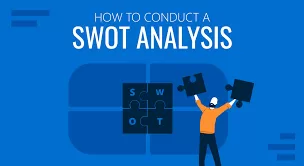
A SWOT analysis maps your business's internal Strengths and Weaknesses and external Opportunities and Threats, so you can build on what works and prepare for risks. Do it with your team, base each point on evidence such as sales data and customer feedback, then turn the results into concrete actions. Below we explain what SWOT is, why to do it and a step-by-step method.
In the realm of strategic planning and business management, understanding the internal and external factors that affect your organization is crucial. One of the most effective tools for this purpose is the SWOT analysis. This article provides an in-depth guide on how to conduct a SWOT analysis, helping you identify strengths, weaknesses, opportunities, and threats that can impact your business. Whether you're a startup entrepreneur, a seasoned business owner, or a strategic planner, this comprehensive guide will help you leverage SWOT analysis to make informed decisions and drive your business forward.
What is a SWOT Analysis?
A SWOT analysis is a strategic planning tool used to identify and understand the Strengths, Weaknesses, Opportunities, and Threats related to a business or project. By examining these four aspects, organizations can develop strategies to capitalize on their strengths, address their weaknesses, exploit opportunities, and mitigate potential threats. Conducting a SWOT analysis involves a systematic approach that includes gathering relevant information, analyzing data, and formulating actionable strategies.
Why Conduct a SWOT Analysis?
How to conduct a SWOT analysis effectively requires understanding its importance. SWOT analysis provides a clear and concise overview of internal and external factors that influence your business. Here’s why it’s essential:
- Strategic Planning: It helps in formulating strategic plans by aligning internal capabilities with external opportunities and threats.
- Decision-Making: Provides insights that aid in making informed decisions and setting priorities.
- Resource Allocation: Helps in optimizing resource allocation by identifying areas that need improvement or investment.
- Risk Management: Assists in identifying potential risks and developing strategies to manage them effectively.
- Competitive Advantage: Helps in understanding your competitive position and finding ways to gain a competitive edge.
Every new business needs a credible online presence from day one: a website that explains your offer and lets customers contact or buy. Get free advice for your business on WhatsApp
Steps to Conduct a SWOT Analysis
Conducting a SWOT analysis involves several key steps. Here’s a detailed guide on how to conduct a SWOT analysis for your business:
- Define the Objective
- Before starting your SWOT analysis, clearly define the objective or goal. This could be related to a specific project, a new business initiative, or an overall strategic plan. Defining the objective ensures that the analysis is focused and relevant.
- Gather Relevant Data
- Collect information related to your business environment, including internal data (e.g., financial reports, employee feedback) and external data (e.g., market trends, competitor analysis). This data will form the basis for identifying strengths, weaknesses, opportunities, and threats.
- Identify Strengths
- Strengths are internal attributes or resources that give your business an advantage over competitors. Consider factors such as:
- Unique Selling Propositions (USPs): What sets your business apart?
- Core Competencies: What skills or resources do you excel in?
- Financial Resources: Do you have strong financial stability?
- Reputation: What is your brand's reputation in the market?
- Customer Loyalty: Do you have a loyal customer base?
- Document these strengths and assess how they can be leveraged to achieve your objectives.
- Recognize Weaknesses
- Weaknesses are internal factors that hinder your business's performance or put it at a disadvantage. Analyze aspects such as:
- Operational Inefficiencies: Are there any operational issues?
- Skill Gaps: Do you have skills or knowledge gaps?
- Financial Constraints: Are there financial limitations?
- Customer Complaints: Are there recurring issues with customer satisfaction?
- Limited Resources: Are there any limitations in resources?
- Identifying weaknesses will help you understand areas that need improvement or require strategic adjustments.
- Explore Opportunities
- Opportunities are external factors or trends that your business can capitalize on. Consider:
- Market Trends: Are there emerging trends that could benefit your business?
- Technological Advancements: Can new technologies enhance your offerings?
- Competitive Landscape: Are there gaps in the market that you can fill?
- Regulatory Changes: Are there new regulations that could create opportunities?
- Exploring opportunities helps in identifying potential growth areas and new ventures.
- Assess Threats
- Threats are external factors that could negatively impact your business. Analyze:
- Competitive Threats: Are there new competitors entering the market?
- Economic Factors: Are there economic downturns that could affect your business?
- Regulatory Changes: Are there new regulations that could pose challenges?
- Market Saturation: Is the market becoming too saturated?
- Assessing threats allows you to develop strategies to mitigate potential risks.
- Analyze and Prioritize
- Once you have identified strengths, weaknesses, opportunities, and threats, analyze the data to identify patterns and relationships. Prioritize the factors based on their impact and relevance to your objectives. This will help you in formulating effective strategies.
- Develop Strategies
- Based on your SWOT analysis, develop strategies to:
- Leverage Strengths: Utilize your strengths to capitalize on opportunities and address weaknesses.
- Address Weaknesses: Implement measures to improve or mitigate weaknesses.
- Exploit Opportunities: Create action plans to take advantage of identified opportunities.
- Mitigate Threats: Develop contingency plans to manage or minimize the impact of threats.
- Document these strategies in your business plan and implement them as part of your overall strategic approach.
- Review and Update
- SWOT analysis is not a one-time exercise. Regularly review and update your analysis to reflect changes in your business environment, market conditions, and organizational goals. Continuous monitoring ensures that your strategies remain relevant and effective.
Tips for Effective SWOT Analysis
- Be Objective: Ensure that your analysis is based on factual data and not influenced by biases or assumptions.
- Involve Key Stakeholders: Include input from employees, customers, and other stakeholders to gain diverse perspectives.
- Use Data and Evidence: Rely on quantitative data and evidence to support your findings and decisions.
- Keep It Simple: Focus on key factors that are most relevant to your business objectives and avoid overwhelming details.
Conclusion
Understanding how to conduct a SWOT analysis is crucial for strategic planning and business success. By systematically evaluating strengths, weaknesses, opportunities, and threats, you can develop actionable strategies to drive growth and overcome challenges. A well-executed SWOT analysis provides valuable insights that help in making informed decisions and achieving your business goals.
If you need expert assistance in conducting a SWOT analysis or developing a strategic plan for your business, Sympaweb is here to help. We specialize in providing tailored business solutions and strategic insights to support your success. Contact Sympaweb today to learn how we can assist you in optimizing your business strategies and achieving your objectives.
Frequently asked questions
How often should a business do a SWOT analysis?
At least once a year, and before major decisions such as launching a product or entering a new market.
What is the difference between strengths and opportunities?
Strengths are internal advantages you control; opportunities are external conditions you can take advantage of.
What comes after a SWOT analysis?
Turn findings into actions, for example using strengths to seize opportunities and fixing weaknesses that expose you to threats.
Related articles
Launch your business online
At Sympaweb we build websites, online stores and apps for startups and small businesses in Jordan, the Gulf and beyond, and help you pick the right solution for your budget.
Get a free quote on WhatsApp
Last updated: November 2026
 الإنجليزية
 صمم موقعك الأن!